





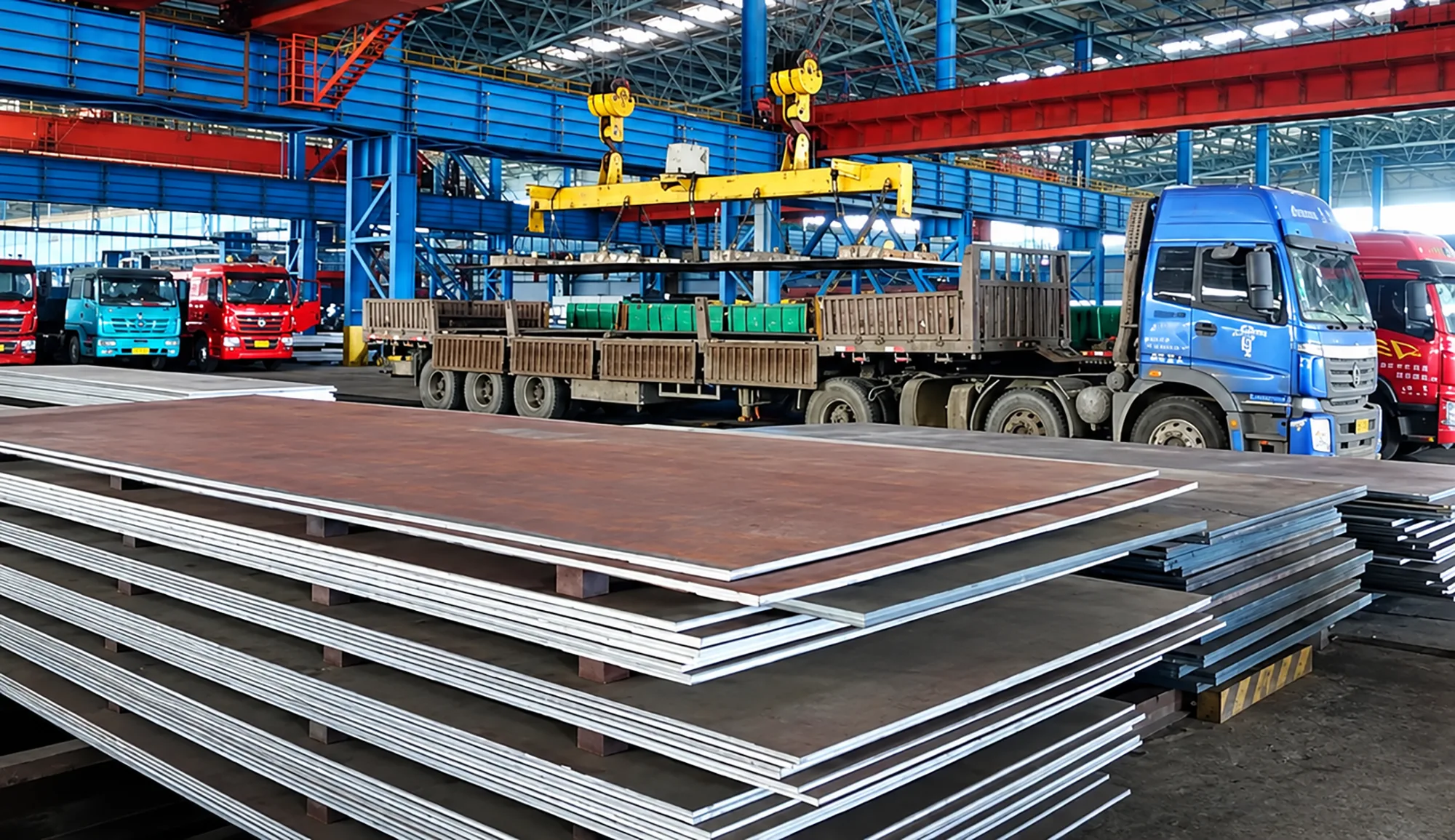
Large-scale construction, infrastructure, manufacturing, and industrial projects often require substantial quantities of steel. This steel must not only meet rigorous technical specifications but also be delivered strictly according to the project schedule. These factors are directly linked to supply security, project coordination, inventory management, and overall procurement costs.
When dealing with hundreds or even thousands of tons of steel, even a minor misunderstanding regarding product specifications, delivery timelines, or quality documentation can lead to serious complications. Therefore, when selecting an international steel supplier, it is essential to conduct a comprehensive assessment of their supply capacity, technical expertise, quality assurance systems, logistics coordination, and commercial transparency.
This guide outlines the key factors that professional procurement specialists should consider when sourcing steel in bulk and explores how to establish a more reliable procurement process for large-scale projects.
1. Define Your Steel Requirements Before Requesting Quotes
There is a vast array of steel products, encompassing different steel grades, dimensions, manufacturing processes, and applicable standards. Products that appear similar may possess different mechanical properties and might even be unsuitable for specific applications.
Before contacting suppliers, the purchasing party should prepare a detailed bill of materials. For instance, when procuring rebar for a construction project, one must specify the diameter, length, grade, and mechanical properties. For shipbuilding projects, steel plate procurement requires specifying the steel grade, dimensions, and relevant certification documents. Similarly, when sourcing steel pipes, precise information regarding outer diameter, wall thickness, steel grade, and manufacturing process requirements is necessary. The more detailed the specifications, the easier it is for suppliers to provide comparable quotes and confirm their ability to successfully fulfill the order.
Procurement Tip: Prepare a standardized Request for Quotation (RFQ) for every large-scale order. This helps minimize misunderstandings and ensures more accurate comparisons between different suppliers.
2. Evaluate the Supplier’s Bulk Supply Capacity
Some suppliers may offer highly competitive pricing for small-batch orders, yet they may lack the necessary inventory, production resources, coordination capabilities, or logistics infrastructure to handle large-scale bulk orders. Before finalizing large-scale orders, buyers should verify that the supplier has the capacity to meet their specific requirements. This includes: ① product availability (stock on hand), ② combinations of specifications and dimensions, ③ order scheduling, and ④ evidence of supply capacity.
3. Make Quality Assurance a Core Component of Procurement
Before confirming an order, suppliers should establish a clear quality assurance process. This involves: ① verifying material grades and standards, ② confirming material test documentation, ③ establishing inspection requirements, and ④ ensuring material traceability.
Procurement Tip: Quality requirements should be explicitly stated in the purchase order rather than relying on informal commitments made during negotiations.
4. Compare Total Landed Cost, Not Just Unit Price
For international bulk steel orders, the price per ton represents only a portion of the total procurement cost. The specific cost breakdown depends on the agreed-upon delivery terms and the nature of the transaction. When comparing suppliers, buyers must ensure that each quote is based on identical product specifications, quantities, currencies, delivery locations, and commercial assumptions. For instance, one quote might cover costs only up to the port of export, while another might include international freight to the port of destination. Comparing only the quoted prices without accounting for these differences can lead to misleading conclusions.
Payment terms, quote validity periods, exchange rate risks, and inventory costs can also influence procurement decisions.
A better procurement approach: Compare suppliers based on a clear estimate of the total landed cost and the overall reliability of the proposed supply arrangement.
5. Carefully Plan International Transport and Delivery
Steel is heavy and bulky, and it can be susceptible to surface damage or issues arising from improper handling. Consequently, transport planning is a critical aspect of bulk procurement.
A reliable supply arrangement should account for packaging, loading, securing, shipping documentation, and delivery schedules.
Procurement agreements should clearly specify the quantity for each shipment, estimated shipping dates, delivery tolerances, and procedures for handling schedule changes. The goal is to strike a balance between procurement efficiency and project requirements, rather than simply opting for the largest possible shipment size.
7. Understand the Risks of Bulk Steel Procurement
If procurement risks are not identified early, large-scale orders can pose significant commercial risks. Buyers can mitigate these risks by documenting specifications, verifying supplier information, establishing inspection procedures, and agreeing upon delivery and payment terms before placing an order.
8. How to Identify a Reliable International Steel Supplier
A professional supplier should be capable of explaining their products, confirming technical requirements, communicating commercial terms, and coordinating order execution. Buyers should evaluate these aspects by reviewing documentation, engaging in technical discussions, comparing price quotes, and conducting appropriate verification.
9. The Importance of Long-Term Supplier Relationships
Strong, long-term partnerships foster a better understanding of product specifications, reduce the need for repeated clarifications, and facilitate more efficient order coordination. Such relationships should include regular performance reviews and assessments of procurement competitiveness.
International Bulk Steel Supply Solutions from Shouyuan Steel
We provide steel supply services to international clients across the globe, serving sectors such as construction, infrastructure, distribution, manufacturing, and other industrial fields.
Depending on current inventory and specific client requirements, our product range includes carbon steel, stainless steel, galvanized steel, structural steel, rebar, wire products, alloy steel, and select non-ferrous metals.
We recommend that clients provide a detailed list of specifications, applicable technical standards, total tonnage, destination, and the desired delivery schedule. This will enable us to evaluate your inquiry more efficiently and discuss the most suitable supply solution tailored to your specific needs.
Are you looking for a reliable international steel supplier for construction projects, wholesale orders, or industrial procurement requirements?
Please contact our team to discuss your bulk steel procurement needs.
We welcome inquiries from a wide range of clients, including steel importers, wholesale distributors, construction contractors, infrastructure developers, and industrial procurement teams seeking a reliable international partner for steel supply.
Get Bulk Order Discounts
Shouyuan Steel provides reliable steel and metal products at competitive prices. Contact us for bulk order discounts, customized solutions, and professional support.

