





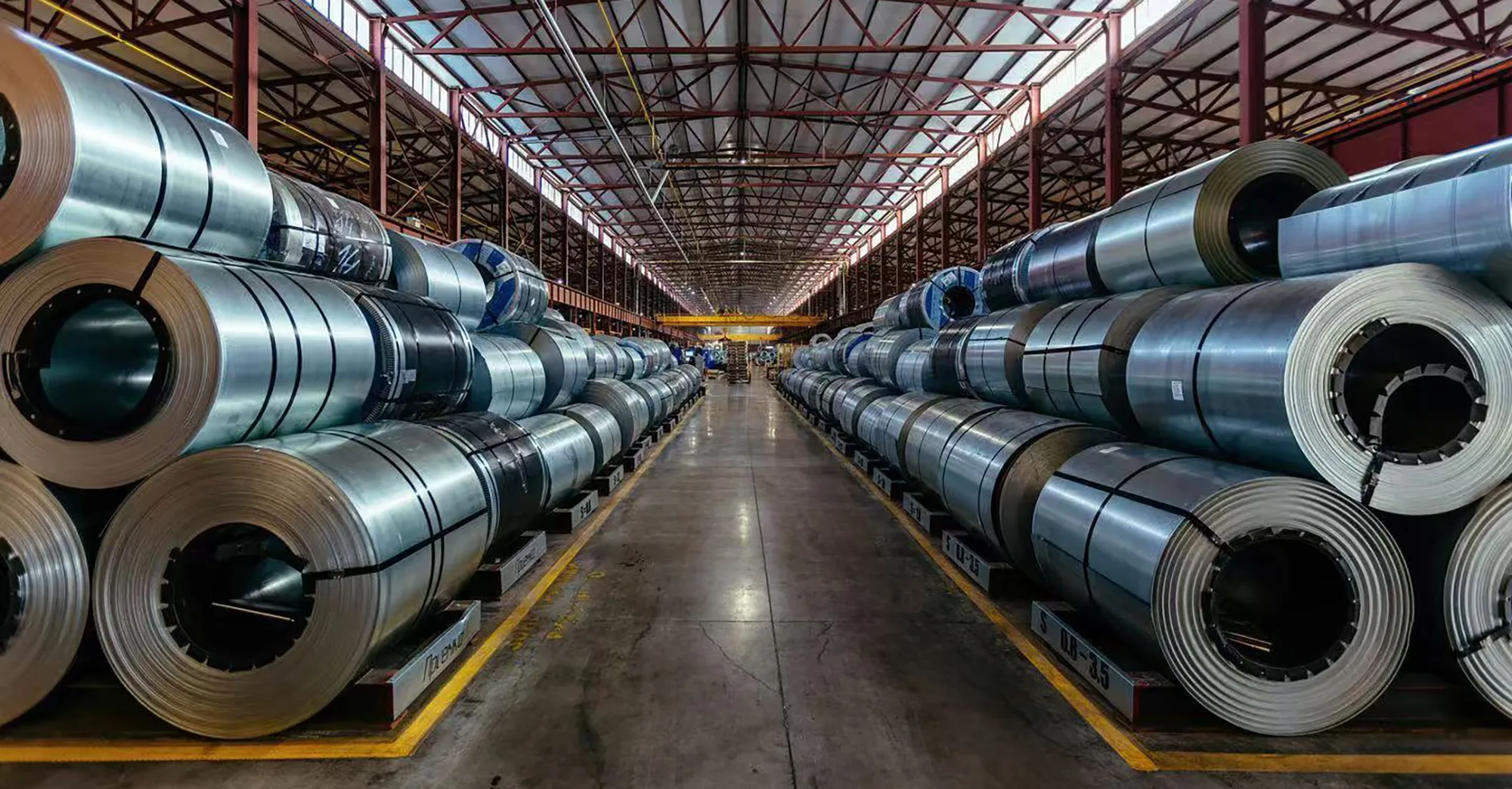
Steel remains an indispensable raw material across sectors such as construction, infrastructure, manufacturing, transportation, shipbuilding, and industrial production. As global supply chains become increasingly interconnected, buyers are placing greater emphasis on total procurement costs, product traceability, delivery predictability, and the ability to establish long-term partnerships with high-quality suppliers. Developing a systematic procurement strategy has become increasingly vital.
1. Total Procurement Cost Outweighs Initial Price Quotes: A common pitfall in international steel procurement is selecting a supplier based solely on the lowest quoted price. While the price per ton is significant, it represents only one component of the total procurement cost. For instance, two suppliers might offer similar steel plates at different price points; however, a lower quote could be offset by higher shipping costs, unsuitable dimensions, the need for additional processing, or unreliable delivery schedules—making it a less economical choice overall.
Therefore, professional buyers should compare quotes against a unified set of criteria. This comparison should encompass product specifications, quantities, packaging, delivery terms, payment conditions, lead times, and all associated costs.
2. Procurement Insight: When evaluating steel purchases, focus on the "Total Landed Cost" rather than merely comparing price-per-ton figures in isolation. Before issuing an inquiry, buyers should prepare clear technical specifications detailing the required materials and their intended use.
3. Supplier Reliability as a Strategic Factor in Procurement Decisions
For international steel buyers, a supplier’s ability to fulfill orders is just as critical as their quoted price.
When evaluating suppliers, prioritize their supply capacity, logistical arrangements, documentation, communication, and track record in order execution.
4. The Growing Importance of Quality Assurance and Material Traceability
The quality of steel directly impacts the efficiency of processing, construction, and manufacturing, and determines whether the final product meets its intended purpose. Procurement recommendation: Clearly define quality and documentation requirements within the purchase order to ensure both parties are aligned on acceptance criteria.
5. International Logistics and Delivery Planning Affect Project Costs
Steel is a heavy industrial product, and international shipping costs often account for a significant portion of the total procurement cost. Consequently, delivery planning should begin as early as the quotation stage. Buyers should consider factors such as shipment quantities and packaging, delivery terms and responsibilities, shipping schedules, and import documentation.
A well-structured logistics plan enables buyers to estimate costs more accurately and ensures that material supply aligns with downstream business operations.
6. Bulk Steel Procurement Requires More Detailed Planning
While large-scale steel procurement can offer advantages in terms of purchasing and inventory, it also entails additional considerations. Before placing bulk orders, buyers should evaluate several aspects: demand forecasting, specifications and steel grade distribution, supply feasibility, delivery planning, quality and acceptance procedures, and the management of inventory and cash flow.
7. Digital Procurement Is Changing How Buyers Evaluate Steel Suppliers
International buyers are increasingly using search engines, supplier websites, digital product catalogs, and online inquiry channels to discover potential steel suppliers. For suppliers, providing valuable technical content can help potential buyers locate relevant products via search engines.
8. Consider Sustainability and Compliance Requirements Where Applicable
In certain markets and industries, environmental reporting, product traceability, and regulatory compliance can be critical factors in procurement decisions. Specific requirements vary depending on the destination country, the client, the product category, and the end-use application. Any claims regarding sustainability or compliance should be supported by appropriate evidence.
9. Building Long-Term Partnerships with International Steel Suppliers
For many buyers, the goal is to establish a reliable supply partnership that can support future order requirements and evolving business needs. Professional communication and consistent execution help minimize friction and foster a stronger, more stable commercial relationship.
Shouyuan Steel’s supply operations cover sectors including construction, infrastructure, distribution, manufacturing, and various other industrial applications. Depending on product availability and specific inquiry requirements, our supply range includes carbon steel, stainless steel, galvanized steel, reinforcing bars (rebars), steel pipes, Steel Section,Copper,Steel Wire and select non-ferrous metal products.
We recommend that buyers provide detailed specifications and procurement requirements, which will allow us to evaluate your inquiry based on clear technical and commercial parameters.
Are you looking for a steel supplier for your next project, wholesale order, or industrial procurement needs?
Contact us today to receive a steel quote and discuss a supply solution tailored to your specific requirements.
Get Bulk Order Discounts
Shouyuan Steel provides reliable steel and metal products at competitive prices. Contact us for bulk order discounts, customized solutions, and professional support.

