





Introduction
Carbon steel is one of the most widely used materials in construction, machinery manufacturing, infrastructure, energy, transportation, and general industrial applications. Its properties are primarily affected by carbon content, which influences key properties such as strength, hardness, ductility, toughness, weldability, and machinability.
Carbon steel is an iron-carbon alloy with a carbon content ranging from 0.0218% to 2.11%. It typically contains small amounts of silicon, manganese, sulfur, and phosphorus. Higher carbon content results in greater hardness and strength, but lower plasticity.
Carbon steel can be classified in many ways. Based on carbon content, it can be divided into three categories: low-carbon steel, medium-carbon steel, and high-carbon steel.
Low-Carbon Steel
Low-carbon steel refers to carbon steel with a carbon content below 0.25%. Due to its excellent ductility, toughness, weldability, and formability, it is also known as mild steel. This makes it one of the most widely used carbon steel materials. It includes most common carbon structural steels and some high-quality carbon structural steels. Most low-carbon steels can be used to manufacture engineering structural components without heat treatment. Some low-carbon steels, after carburizing or other heat treatments, are used to manufacture mechanical parts requiring wear resistance.
Due to their relatively low carbon content, low-carbon steel is easier to cut, bend, stamp, roll, and weld. Therefore, it is particularly suitable for manufacturing and processing applications with high requirements for processing efficiency and cost control.
The annealed microstructure of low-carbon steel is ferrite with a small amount of pearlite. It has lower strength and hardness, but better plasticity and toughness. Therefore, low-carbon steel is commonly rolled into angle steel, channel steel, I-beams, steel pipes, steel strips, and steel plates for manufacturing various building components, containers, boxes, furnaces, and agricultural machinery. It can also be used to manufacture mechanical parts with varying strength requirements. It is important to note that low-carbon steel is generally not heat-treated before use.
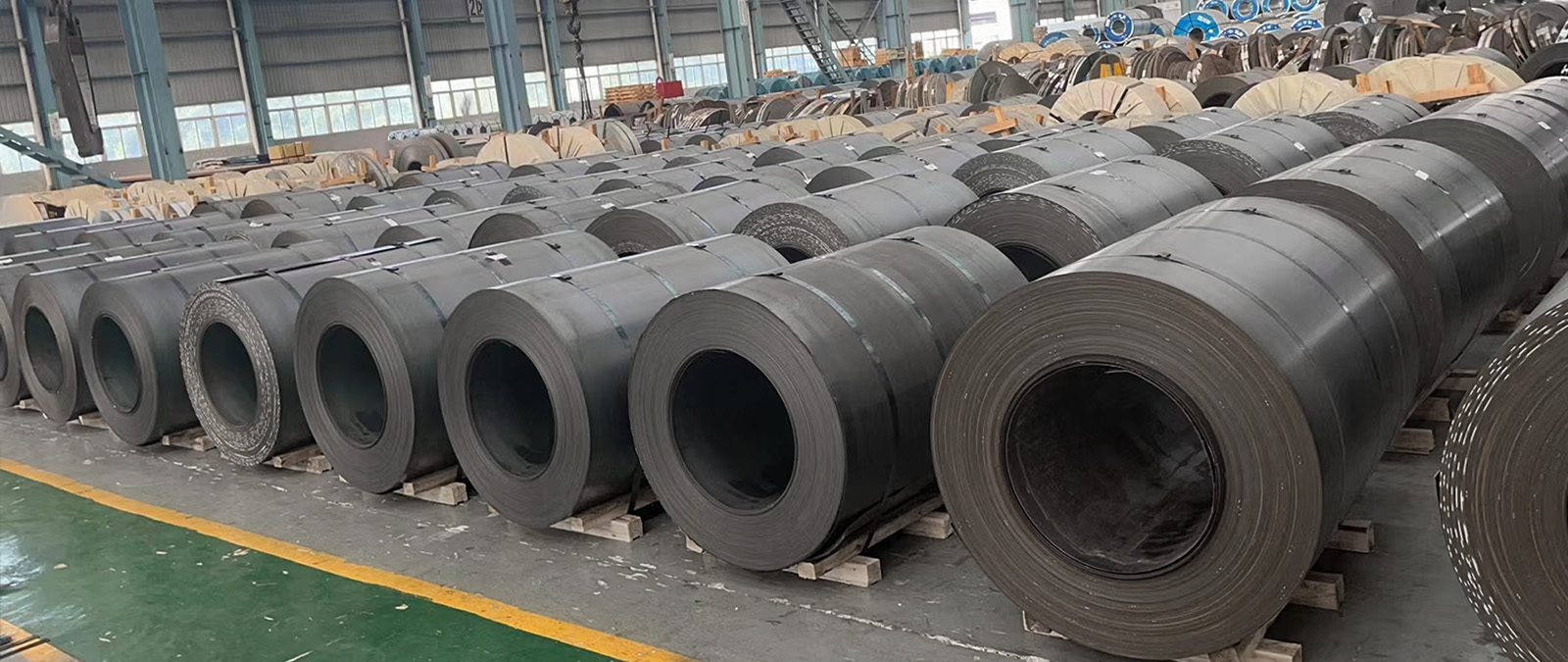
Typical Applications: Low-carbon steel is supplied in various forms, such as: carbon steel plates, carbon steel coils, carbon steel pipes, steel strips, angle steel, channel steel, and structural steel. Typical applications include building structures, bridges, containers, machinery, agricultural equipment, general processing, and infrastructure projects.
For buyers requiring large-volume purchases of steel with good machinability and competitive costs, low-carbon steel is often an efficient choice.
Medium-carbon steel
Medium-carbon steel refers to carbon steel with a carbon content of 0.25% to 0.60%. Based on product quality, medium-carbon steel is divided into ordinary carbon structural steel and high-quality carbon structural steel. Medium-carbon steel has good hot working and machinability, but poor weldability. Medium-carbon steel has higher strength and hardness than low-carbon steel, but its plasticity and toughness are relatively lower. This steel can be used directly as hot-rolled or cold-drawn steel, or it can be heat-treated to optimize its properties.
Medium-carbon steel typically includes killed steel, semi-killed steel, and rimmed steel. After quenching and tempering, medium-carbon steel exhibits good comprehensive mechanical properties. Therefore, it is the most widely used steel in various medium-strength applications. Besides being used as a building material, it is also widely used in the manufacture of various machine parts.
Medium carbon steel is available in hot-rolled or cold-worked conditions and its strength can be enhanced through appropriate heat treatment processes such as quenching and tempering.
Commonly used in: automotive parts, machine parts, shafts and gears, industrial machinery, heavy equipment, engineering components, and structural applications requiring higher strength.
For projects requiring a balance between strength, durability, machinability, and cost, medium carbon steel is a practical material solution.
High Carbon Steel
High carbon steel, often referred to as tool steel, has a carbon content between 0.60% and 1.70%. Due to its excellent hardness and strength, high carbon steel is commonly used to manufacture tools such as hammers and crowbars, as well as cutting tools such as drill bits, taps, and reamers. However, it is important to note that high carbon steel has relatively poor weldability. Due to its poor thermal conductivity, large temperature differences occur during welding, leading to internal stress and cracking. Simultaneously, high carbon steel is more sensitive to quenching, and martensitic structures easily form near the weld, resulting in cold cracking. Therefore, post-weld tempering is necessary to relieve stress, stabilize the microstructure, prevent cracking, and improve weld performance.
High-carbon steel can be used for: cutting tools, springs, steel wire, wear-resistant parts, industrial tools, and high-strength mechanical components.
Due to its higher carbon content, welding and heat treatment require stricter process control. Proper material selection and processing techniques are crucial for minimizing the risk of cracking and ensuring reliable performance.
Summary
High-carbon steel, medium-carbon steel, and low-carbon steel are three types of carbon steel classified according to their carbon content and properties. High-carbon steel has a higher carbon content, resulting in higher hardness and strength, but also greater brittleness. Low-carbon steel has a lower carbon content, better plasticity and toughness, and is suitable for manufacturing various mechanical parts. Therefore, in practical applications, the appropriate carbon steel material should be selected based on specific material requirements and process characteristics.
These three types of steel have different performance characteristics and are suitable for different industrial needs.
Carbon Steel Types, Typical Carbon Content, Main Advantages, Common Applications
Low Carbon Steel < 0.25% Excellent weldability, ductility, and formability Construction, manufacturing, machinery
Medium Carbon Steel 0.25%–0.60% Higher strength, hardness, and wear resistance Automotive, machinery, engineering
High Carbon Steel ~0.60%+ High hardness and wear resistance Tools, springs, wear-resistant parts
When selecting the right material, always consider the required grade, applicable standards, mechanical properties, dimensions, processing methods, and working environment, not just the carbon content.
How to Choose the Right Carbon Steel for Your Project
For steel procurement, choosing the right carbon steel is not as simple as comparing carbon content. Buyers should consider the following key factors:
1. Required mechanical properties
2. Processing requirements
3. Product shape and dimensions
In general, high carbon steel, medium carbon steel, and low carbon steel are three common alloy steel materials with different properties and applications. Correctly selecting the appropriate carbon steel material is crucial for product performance and quality.
Get Bulk Order Discounts
Shouyuan Steel provides reliable steel and metal products at competitive prices. Contact us for bulk order discounts, customized solutions, and professional support.

